
Church Management, Baptist Popes refute the practice of Baptist dictators who micromanage the Church of Christ.
Leadership
New Testament Elders Validity
New Testament Elders
Topic: New Testament Elders
By Pastor David Cox
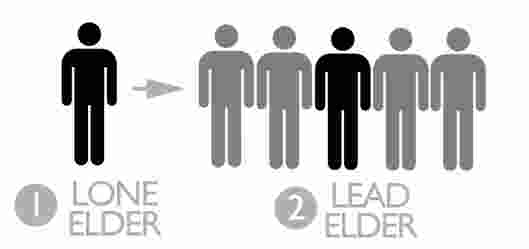
The difference between the New Testament elders and the Old Testament elders is simply that within Judaism, there was a corruption of the elder system which was cronism, spiritual corruption, egoism, and self interests, and this was probably also part of why God chastised Israel by setting her aside for a long time period to use the church.
In this article I explain (give an introduction) to New Testament elders
Why People leave your church

Why People leave your church is my thoughts on why people leave your church. I also have added points on this topic that other people have made as to this same topic (links at the bottom). I am going to categorize these into more logical “groups” to try to direct our discussion. I will admit to both sides of this issue. First, you should not leave your church for just any reason. There should be loyalty to your church organization and to your pastoral team. Loyalty to your church organization is seen in weekly attendance, your participation, and your weekly tithing and giving above and beyond the tithe, especially when there are special needs. Your loyalty to your pastoral staff is seen by showing up early for the service and being ready. That is having slept sufficiently that you will be awake through the whole sermon, and if need be, having drunk 2-5 cups of coffee. Also, that you have eaten something so that hunger does not distract you or your family from the activities and teachings.